Caltanissetta
Back to all places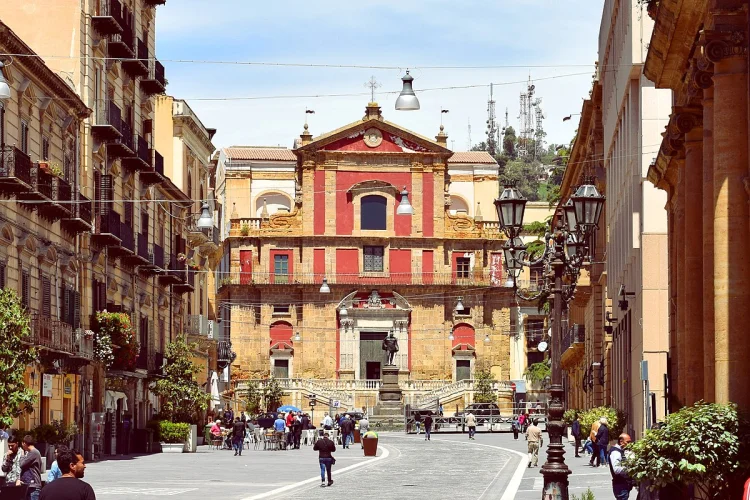
Nestled in the heart of Sicily, Caltanissetta is a town rich in history and culture, offering a fascinating tapestry of events that date back to ancient times. The area, originally settled by the Sicani people, saw its first significant development during the Greek era, around the 7th century BC, further enhancing its storied past. It became a Roman hub in the 3rd century BC, playing a crucial role in the Punic Wars.
The city flourished under Byzantine rule, before experiencing dramatic changes when it fell to the Arabs in the 9th century AD, who introduced advanced agricultural practices and intricate irrigation systems. Following the Norman conquest in the 11th century, Caltanissetta gained prominence for its strategic location and vibrant economy. In later centuries, particularly under Aragonese and Spanish rule, the city witnessed a series of architectural transformations, with many churches and palaces reflecting a blend of styles from different eras. The Baroque period, in particular, left an indelible mark on the city’s architectural landscape. The 19th century brought about significant economic shifts due to the discovery of sulfur mines, which propelled Caltanissetta to become a major industrial center in Sicily.
Today, visitors can explore the remnants of its multifaceted historical chapters, from ancient ruins to medieval fortresses, alongside scenic views that capture the essence of Sicily’s mountainous interior. The Caltanissettese dialect, deeply rooted in its rich history, and the local cuisine, influenced by the many cultures that once ruled the region, offer authentic insights into its enduring legacy.
Photo: AlessandroAM
37.49006, 14.06316