Castello di Pietrarossa
Back to all places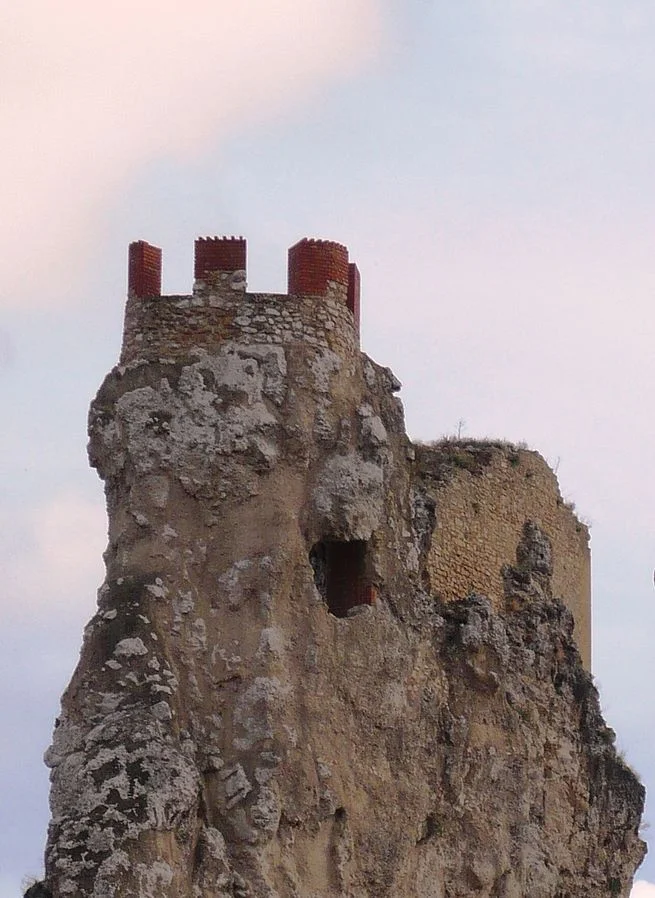
The Castello di Pietrarossa stands as a testament to Italy’s rich medieval history in the heart of Caltanissetta, dating back to the 9th century. Its name, meaning "Red Stone Castle," is derived from the striking hue of its stones.
Initially constructed during the Arab occupation of Sicily, it served as a strategic fortification and a symbol of dominance. The Normans later expanded the castle during their conquest in the 11th century, further solidifying its importance. Throughout the Middle Ages, the Castle of Pietrarossa functioned as both a military stronghold and a noble residence, playing a pivotal role in the feudal landscape of Sicily.
It witnessed numerous historical events, including the Sicilian Vespers in 1282, where a rebellion against the Angevin rule led to the expulsion of French occupiers from the island.
The castle’s strategic position ensured its involvement in various conflicts, including the War of the Sicilian Vespers and the subsequent political turmoil. In the late Renaissance period, the castle saw partial reconstruction and renovations, reflecting changing architectural styles and needs.
The once-imposing structure now stands partially in ruins, but its remaining walls and towers continue to tell tales of its past.
Visitors can explore the remnants of its once-formidable walls, admire the blend of architectural influences, and imagine the storied lives of those who once resided within its confines.
Photo: OppidumNissenae
37.48583, 14.07113