Favignana
Back to all places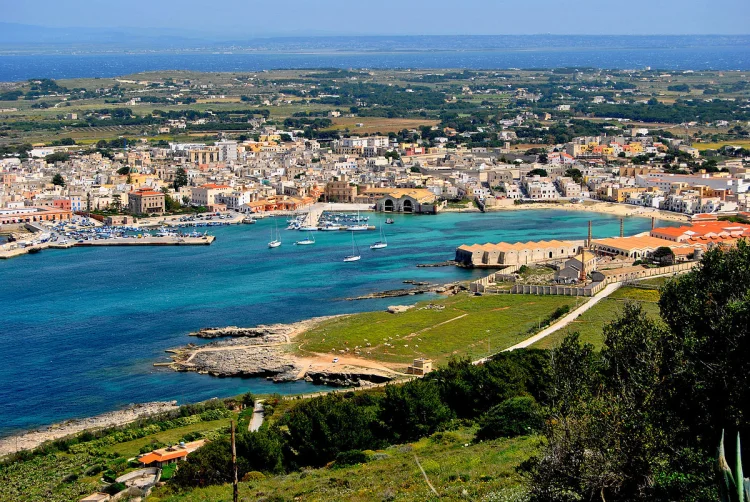
Favignana, known as the "Butterfly of the Sea" due to its unique shape, boasts a rich tapestry of history that makes it a compelling destination for history enthusiasts. This Mediterranean island has been inhabited since the Paleolithic age, as evidenced by archaeological finds in the Grotta del Genovese, which feature prehistoric art from around 10,000 B.C.
Historical records attest to the island’s significance during the Phoenician and Carthaginian eras, especially around 241 B.C., when the naval Battle of the Egadi Islands took place in its waters, marking the end of the First Punic War between Rome and Carthage.
In the Medieval period, Favignana was ruled by various powers, including the Romans, Normans, and the Swabians, each leaving their imprint on the island’s cultural fabric. The once mighty Tonnara—the traditional tuna fishery—was established and used extensively under the Florio family’s ownership in the 19th century, turning the island into a focal point for the Mediterranean tuna trade. The Florio family’s influence persists in Favignana’s economic and social history. Not to be forgotten are the island’s Phoenician and Roman maritime routes, which testify to its long-standing maritime significance.
The Fort of Santa Caterina, initially constructed by the Normans and later expanded by the Bourbons in the 17th century, stands as a sentinel over the island, offering panoramic vistas and a glimpse into military strategies of bygone eras.
Modern-day Favignana continues to celebrate its rich cultural heritage with various festivals, including the Mattanza, an ancient tuna-fishing ritual that serves as a living link to its storied past. This vibrant island juxtaposes natural beauty with a historical narrative that spans millennia, making it a treasure trove for those fascinated by the ancient world and its enduring legacies.
Photo: Giulia C.
37.92975, 12.32775