Lipari
Back to all places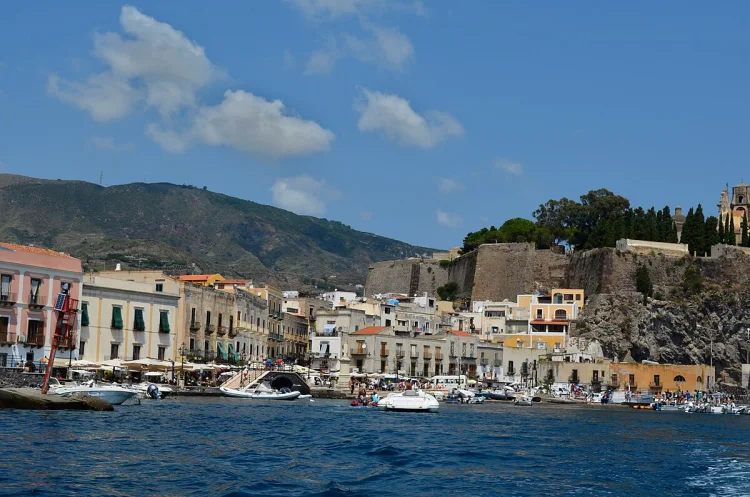
Lipari is a gem nestled in the Mediterranean, boasting a rich history that goes back millennia. Its origins can be traced to ancient times when it was colonized by the Greeks, who named it after their king, Liparus. Compelling archaeological findings reveal that the island has been inhabited since at least 5000 BC, with evidence of Neolithic and Bronze Age settlements.
Lipari flourished as a part of the Aeolian Islands, and its strategic location made it a crucial maritime hub during the Roman Empire. The island faced numerous invasions throughout the centuries, from the Visigoths and Vandals to the Saracens and Normans, each leaving an indelible mark on its cultural tapestry.
During the Middle Ages, Lipari was fortified to defend against pirate attacks, and its stunning cathedral dedicated to St. Bartholomew, built in the 11th century and rebuilt after the 16th-century pirate raids, stands as a testament to its resilience.
The island’s landscape is characterized by volcanic activity, most notably from Mt. Vulcano, whose last major eruption in the 19th century added to the dramatic scenery.
Modern-day Lipari is a blend of historical intrigue and natural beauty, offering visitors a window into its storied past with its Aeolian Museum, which houses an impressive collection of artifacts spanning various eras. This island paradise continues to enchant with its picturesque towns, azure waters, and the enduring spirit of its ancient inhabitants.
Photo: Nicolas Völcker
38.46474, 14.95419