Museo internazionale delle marionette Antonio Pasqualino
Back to all places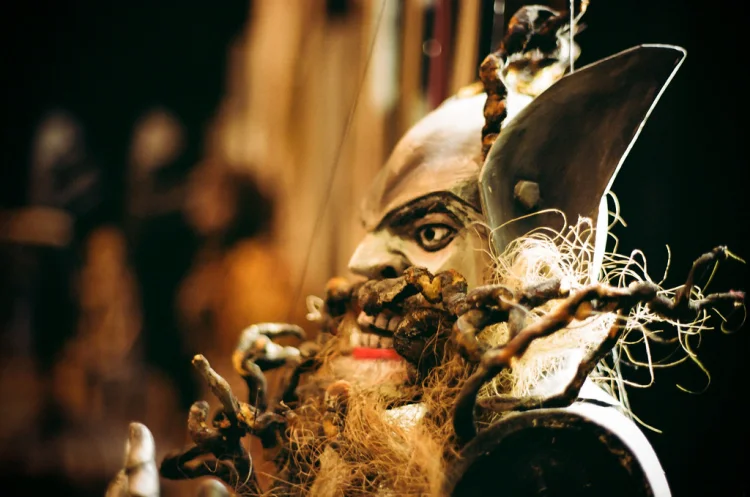
The Antonio Pasqualino International Puppet Museum, located in the heart of Palermo, Italy, stands as a testament to the rich cultural heritage of puppetry.
The museum, established in 1975, is dedicated to preserving and promoting the art of puppetry from around the globe. It houses an impressive collection of over 5,000 artifacts including marionettes, hand puppets, and shadow figures, which represent a wide array of cultural traditions from Europe, Africa, Asia, and the Americas.
One of the highlights of the museum is its extensive compilation of Sicilian marionettes, which are integral to the traditional puppet theater known as "Opera dei Pupi." This form of theater, which emerged in the early 19th century, is particularly renowned for its elaborate depictions of chivalric tales, mainly focusing on the adventures of Charlemagne and his knights.
The Opera dei Pupi was proclaimed a Masterpiece of the Oral and Intangible Heritage of Humanity by UNESCO in 2001, further highlighting the cultural significance of these puppets.
The museum is not merely a repository of artifacts; it also plays an active role in cultural education and the continuation of puppetry traditions. It hosts regular performances, workshops, and seminars aimed at enthusiasts and scholars alike, keen on exploring the artistic, historical, and technical aspects of puppetry. Moreover, the museum commemorates its namesake, Antonio Pasqualino, a notable anthropologist and puppeteer who was instrumental in reviving interest in puppetry arts in Sicily and beyond. His efforts to establish the museum have enabled the preservation of disappearing art forms and inspired new generations to appreciate and carry forward the legacy of puppet theater.
Visitors to the museum are treated to a visually stunning and intellectually stimulating experience that bridges the past and present, offering insights not only into the art of puppetry but also into the diverse cultures that have nurtured this form of artistic expression throughout the centuries.
Photo: Leonardo Pilara
38.11851, 13.37044