Neapolis Archaeological Park
Back to all places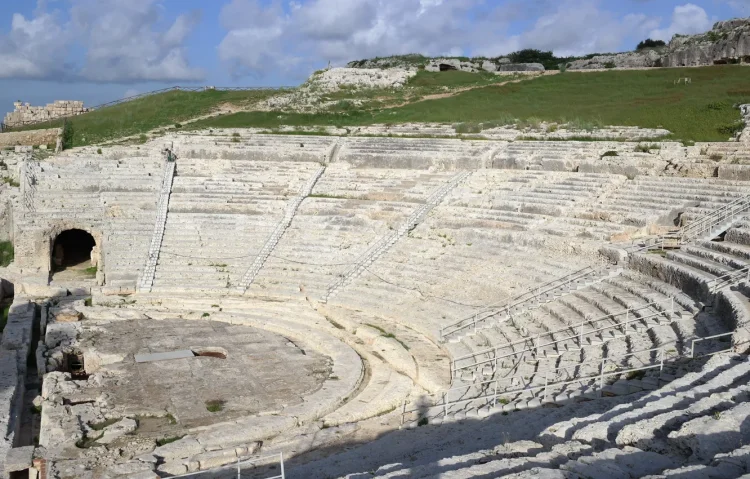
Neapolis Archaeological Park is a treasure trove of ancient history nestled in the heart of Syracuse.
Established in the 1950s, the park encapsulates millennia of storied past dating back to the early Greek period in the 5th century BCE. Home to the renowned Greek Theatre, which hosted epic performances and political gatherings, this site remains one of the largest and most well-preserved structures of its kind. The Altar of Hieron II, another eminent feature within the park, was constructed in the 3rd century BCE to pay homage to the gods through grandiose sacrifices. The Roman Amphitheater is equally compelling, providing a glimpse into the Roman conquest and influence in Sicily around the 3rd century CE. This elliptical structure once echoed with the cheers of spectators watching gladiatorial combats and other public spectacles. The Ear of Dionysius, an ear-shaped cave, is shrouded in local legend; it is said to have been used by the tyrant Dionysius the Elder to eavesdrop on his prisoners, and its acoustics are indeed striking.
Throughout the Neapolis Archaeological Park, visitors can also explore ancient quarries known as "latomie," where stone used for Syracuse’s buildings and monuments was extracted. These quarries, later repurposed as prisons, offer haunting yet fascinating historical insights. The park’s lush surroundings and preserved architectural feats make it not just a historical destination, but a journey through the epochs of classical civilization.
Photo: Vitya_maly
37.07527, 15.27857