Norman Palace
Back to all places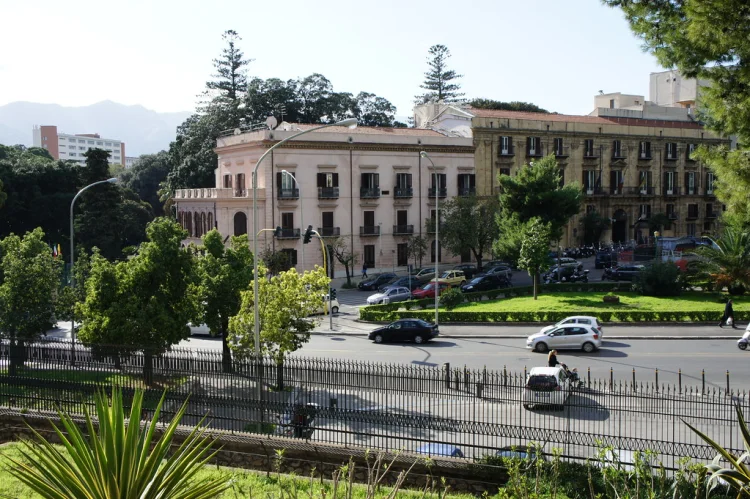
The Norman Palace, also known as the Palazzo dei Normanni, is one of the most magnificent examples of Norman architecture in the world. Situated in Palermo, this historical edifice was originally constructed in the 9th century by the Emirs of Palermo. It was later expanded and enhanced by the Normans after they conquered Sicily in 1072. The palace served as the royal residence of the Norman kings, most notably Roger II, who held his court there.
The beauty and significance of the palace lie not just in its architectural splendor but also in its rich history that reflects the diverse cultural influences of the Normans, Arabs, and Byzantines. This blend is best embodied in the stunning Palatine Chapel, completed in 1143 under the rule of Roger II. The chapel is renowned for its breathtaking mosaics, a vibrant testament to Byzantine craftsmanship, and it retains a harmonious Islamic architectural style, especially in its muqarnas ceiling, which is a type of decorative vaulting.
Throughout the centuries, the Norman Palace continued to play a central role in Sicilian governance. It was the seat of the Sicilian Parliament, established in the 1130s, making it one of the oldest parliamentary seats in the world.
Today, it houses both the Sicilian Regional Assembly and a complex of museums and historical sites, attracting scholars and tourists fascinated by its architectural grandeur and historical depth. The palace is not only a symbol of the Norman legacy in southern Italy but also a showcase of the rich, intertwined histories of the peoples of the Mediterranean basin. Its walls have witnessed key historical events and shifts in power, making it an essential monument for understanding the complex tapestry of Mediterranean and European history.
Photo: Chris
38.11092, 13.35349