Oratorio di Santa Cita
Back to all places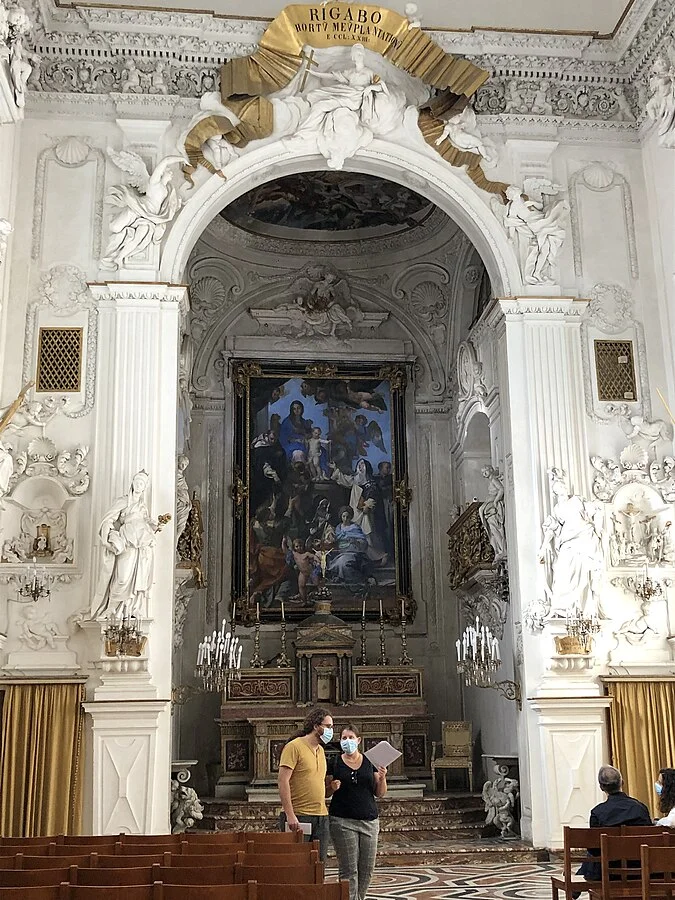
Located in the heart of Palermo, the Oratorio di Santa Cita is a splendid example of 17th-century Baroque art and architecture.
Commissioned in 1686 by the Confraternity of Santa Cita, the oratory was principally designed by architect Giacomo Amato. It is renowned for its intricate stucco work by the illustrious artist Giacomo Serpotta, whose masterpieces adorn the chapel with a series of allegorical statues and bas-reliefs, depicting the Virtues and the life of the Virgin Mary.
The oratory holds immense historical significance, not just as a place of worship but also as a symbol of the religious and social life of Palermo’s aristocracy. Over the centuries, it survived numerous events including the upheavals of the late 18th century and the unification of Italy in the 19th century. Remarkably, it withstood the ravages of World War II, although it required extensive restoration in the late 20th century to bring back its former glory.
Entering the Oratorio di Santa Cita is like stepping back in time. Visitors marvel at the church’s opulent interior ceiling, adorned with frescoes that span religious narratives integral to the Catholic faith. Its historic pews and altar reflect the piety and dedication of the members of the Confraternity of Santa Cita. Each detail tells a story, offering a glimpse into the lives and beliefs of those who once assembled here.
Noteworthy is the annual celebration of Santa Cita, a ritual that has continued for centuries, drawing residents and tourists alike. This historic oratory, set against the backdrop of Palermo’s rich cultural tapestry, remains a timeless treasure and a testament to human artistry and resilience through the ages.
Photo: Davide Mauro
38.12074, 13.36311