Palazzo Comitini
Back to all places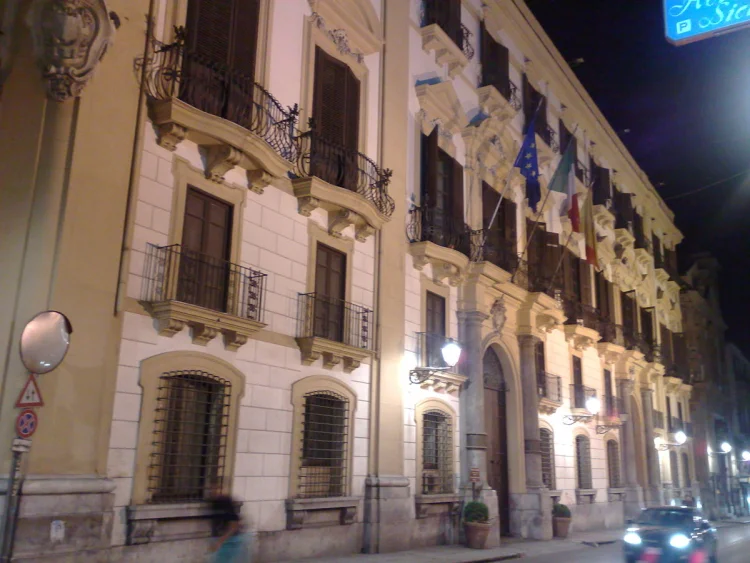
Originally erected in 1766, this magnificent palace is a shining example of the late Baroque era’s architectural splendor. Commissioned by Michele Gravina, the Prince of Comitini, it exemplifies the exceptional craftsmanship and artistic intensity of that time.
The palace’s construction was part of a broader trend in the 18th century where Sicilian aristocracy showcased their wealth and power through grand residences. Despite its evolution over the years, Palazzo Comitini has retained its initial allure and now functions as the seat of the Metropolitan City of Palermo.
The exquisite stuccos, refined frescoes, and the imposing grand ballroom are living testimonies to the wealth and cultured elegance of 18th-century Sicilian nobility.
Over centuries, this palace has been a silent witness to numerous pivotal historical episodes, including the unification of Italy in the 19th century, which further entrenched its importance in Palermo’s historical narrative. Notably, during the Risorgimento, the movement for Italian unification, the palace served as a meeting place for many influential figures.
The architectural façade of the building, characterized by its intricate balconies and finely wrought iron gates, adds to its imposing presence on Via Maqueda. Inside, the sumptuous interiors display a blend of styles that shift from late Baroque to neoclassical, reflecting the changes in artistic tastes over the years. The grand staircase, lit by ornate chandeliers, leads visitors to rooms filled with antique furniture, tapestries, and artworks, offering a glimpse into the lavish lifestyle of its former inhabitants. Beyond its architectural and artistic value, Palazzo Comitini also embodies Palermo’s social and political transformations. It was a hub for aristocratic life in the 18th century and later adapted to the political changes that swept through Italy. By the late 19th and early 20th centuries, it had become an integral part of the administrative framework of the region, a role it continues to fulfill today.
Photo: Dedda71
38.11266, 13.36334