Pantelleria Island
Back to all places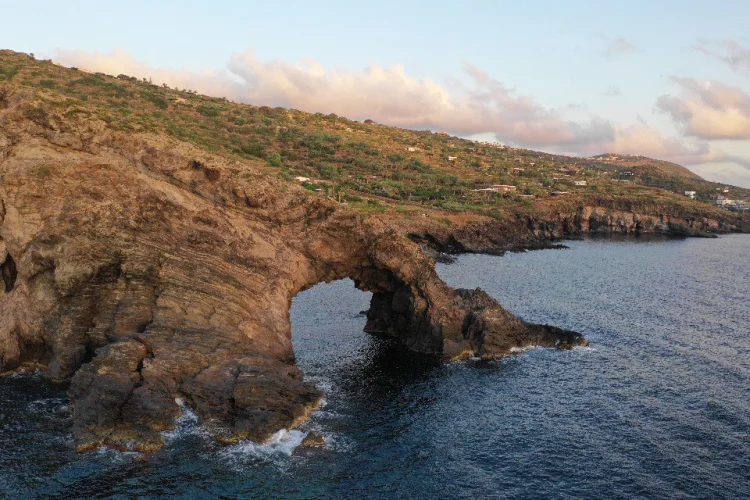
Pantelleria Island, nestled in the Mediterranean Sea between Sicily and Tunisia, is a treasure trove of history that reaches back to ancient civilizations, showcasing a continuous human presence since the Neolithic period.
Archaeological discoveries, including tools and pottery, echo the island’s early inhabitants. Significant Phoenician and Roman influences are evident, particularly through remnants of ancient structures and amphorae found on the island, highlighting its importance as a strategic maritime hub during the Roman era. Serving as a crucial trading post, Pantelleria linked various cultures across the Mediterranean.
In the Medieval period, Pantelleria underwent several power transitions, falling under Arab rule in the 8th century. The island flourished during this time, with the introduction of novel irrigation techniques, such as the "gabri" system, which contributed to its agricultural development. The Normans reclaimed the island in the 11th century, integrating it into the Kingdom of Sicily and leading to a blend of Norman and Arab influences in its architecture and culture.
Pantelleria’s strategic significance persisted into modern history. During World War II, the island was a pivotal site for Axis forces, with its airfield playing a critical role in the Mediterranean theater. In May 1943, Pantelleria endured extensive bombardment from Allied forces during Operation Corkscrew, leading to its eventual capture just prior to the Allied invasion of Sicily. The scars of the war are still visible in the form of bomb craters and military bunkers scattered across the island.
The island’s unique geological features further enhance its allure. Among these are the natural sauna "Bagno dell’Acqua" and the volcanic formations that define its rugged landscape. Pantelleria sits atop an extensive volcanic complex, producing geothermal activity that has shaped much of its topography, including hot springs and steaming fumaroles.
Present-day visitors to Pantelleria can explore the ancient Sesi tombs, prehistoric funerary structures made of large lava stones, and the Byzantine-era ruins that sprinkle its terrain. Additionally, thermal springs and the exquisite Specchio di Venere, a volcanic crater lake with therapeutic waters, offer both historical insights and natural splendor. The island’s archaeological and natural attractions, combined with its storied past, provide a compelling destination for history enthusiasts and nature lovers alike.
Photo: Pannucci Stefano
36.77989, 12.00736