Ragusa
Back to all places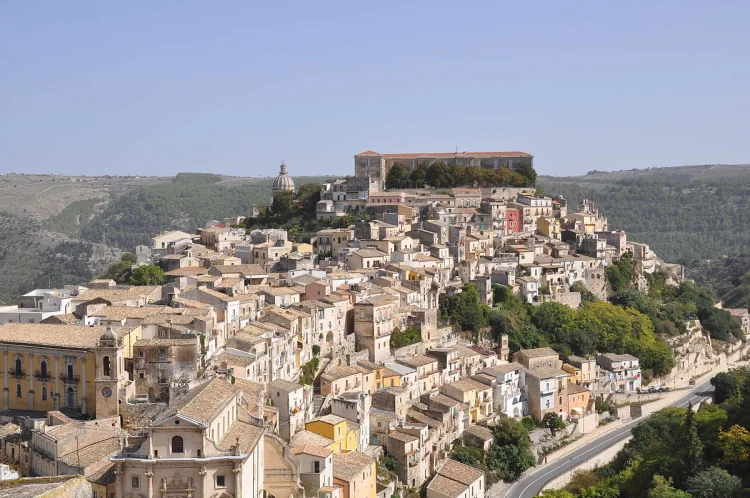
Nestled in the heart of the Free Municipal Consortium of Ragusa, Ragusa boasts a rich tapestry of history dating back to its foundation as the ancient Sicilian city of Hybla Heraea. Flourishing under Greek and Roman rule, it witnessed significant developments during the Byzantine and Arab periods, leaving an indelible mark on its cultural and architectural heritage.
The city holds a unique distinction for having two distinct urban centers - Ragusa Ibla and Ragusa Superiore - which arose following the cataclysmic earthquake of 1693 that razed much of southeastern Sicily. In the aftermath, a remarkable rebuilding effort led by esteemed architects such as Rosario Gagliardi resulted in the creation of numerous Baroque masterpieces that still stand majestically today.
Among its architectural treasures, the Duomo di San Giorgio, with its stunning façade and intricately adorned interior, stands as a testament to Baroque grandeur.
The historical significance of Ragusa has earned it a place on the UNESCO World Heritage list in 2002, recognizing its unparalleled contribution to the cultural and architectural landscape of the region.
Notably, Ragusa was also a focal point during World War II, where it played a strategic role during the Allied invasion of Sicily in 1943. This amalgamation of ancient history, resilient rebuilding, and wartime significance makes Ragusa a captivating destination for history enthusiasts, promising an immersive journey through the ages.
Photo: Paul Asman and Jill Lenoble
36.92393, 14.71990