Salina
Back to all places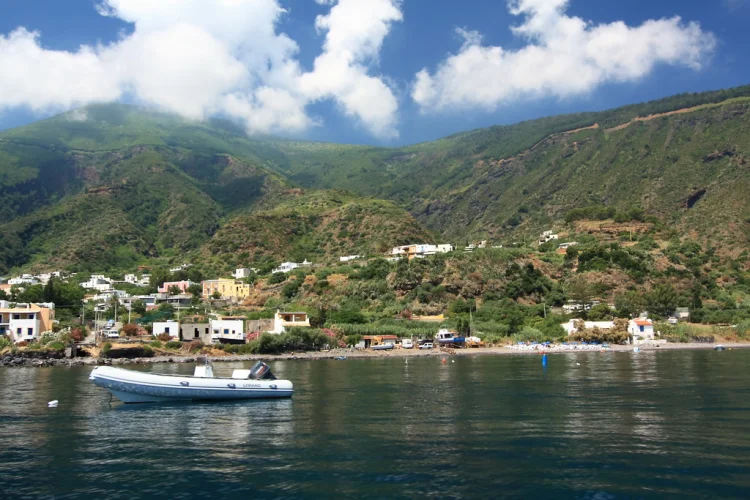
Salina, the second largest island in the Aeolian archipelago, boasts a rich tapestry of history that dates back to ancient times. Known to the Greeks as Didyme due to its twin-peaked volcanoes, this island has a history that spans thousands of years. One of the peaks, Monte Fossa delle Felci, stands as the highest point in the Aeolian Islands at 962 meters.
Salina’s fertile soil, owing to its volcanic origins, has fostered a thriving agricultural tradition, particularly the cultivation of Malvasia grapes which produce the renowned Malvasia delle Lipari wine, a sweet nectar cherished since Roman times. In 1867, Salina was administratively separated from Lipari into its own commune, marking a significant point in its modern history.
The island also played a pivotal role during World War II, providing a strategic location in the Mediterranean. The traditional Cabara caves on the island served as shelters during bombings, intertwining the island’s serene beauty with tales of resilience.
Visitors today relish the balance of historical depth with natural beauty, from the ancient Greek ruins and Roman baths to the lush, vineyard-covered valleys. The coastal village of Santa Marina Salina serves as a gateway with its charming promenade and bustling marina. Salina is also celebrated in contemporary culture, most notably as a filming location for the Oscar-winning movie "Il Postino." Rich in both history and natural splendor, Salina is a destination that captivates and educates all who tread upon its shores.
Photo: Ghost-in-the-Shell
38.55902, 14.87212