Selinunte Archaeological Park
Back to all places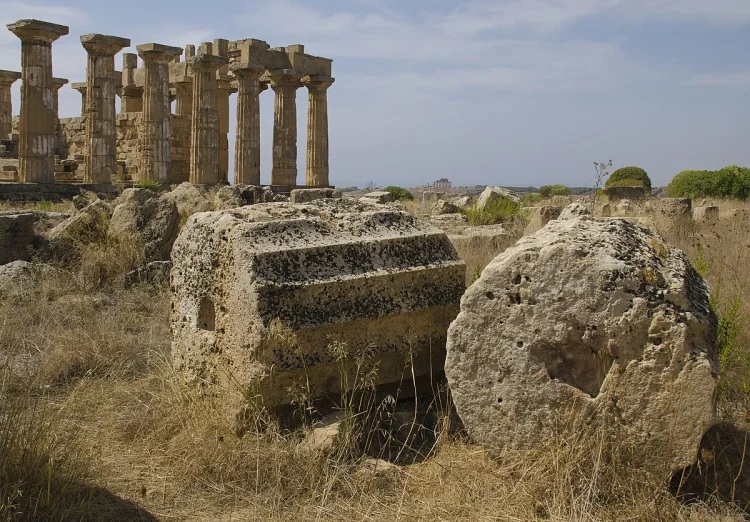
A marvel of ancient Greek architecture and urban planning, Selinunte Archaeological Park is a testament to the grandeur of classical civilization.
Founded in the 7th century BC by Greek colonists from Megara Hyblaea, Selinunte thrived as a major trading center and military outpost on the western coast of Sicily. It reached its zenith in the 5th century BC, becoming a prominent city-state adorned with magnificent temples dedicated to gods such as Hera, Zeus, and Apollo.
The park covers approximately 270 hectares and contains some of the most imposing temples of the Hellenic world, including the Temple of Hera (Temple E), restored for visitors to appreciate its former glory.
Among the monumental ruins, visitors can trace the remnants of the city’s once bustling agora, fortified acropolis, and expansive necropolis, which provide significant insights into the daily life and death rites of the Greeks.
Selinunte’s fortunes waned dramatically in 409 BC when it was attacked and destroyed by the Carthaginian forces led by Hannibal Mago. Although partially rebuilt, the city was eventually overshadowed by the rise of nearby Carthage and was further diminished by Roman conquests.
Today, the site is one of the largest and most awe-inspiring archaeological parks in Europe, attracting scholars and tourists alike. With its vast array of ruins set against the picturesque Sicilian landscape, Selinunte offers a poignant glimpse into the grandeur and eventual decline of one of ancient Greece’s most ambitious urban projects.
Photo: pjt56 ---
37.58423, 12.83666