Tempio di Giunone
Back to all places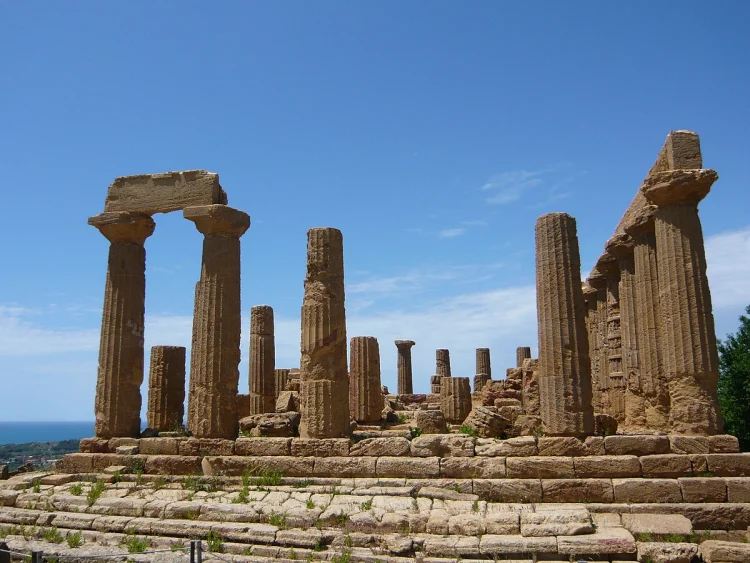
Standing within the magnificent Valley of the Temples in Agrigento, Italy, the Tempio di Giunone, dedicated to the goddess Juno, is an awe-inspiring monument of ancient Greek architecture dating back to the 5th century BC. Also known as the Temple of Hera Lacinia, it provides a fascinating glimpse into the splendor and grandeur of the ancient city of Akragas.
Built around 450 BC, this Doric temple features 34 columns, many of which have survived the passage of time and still stand defiantly.
The temple played a significant role in the religious and cultural life of Akragas, where it was used for worship and possibly other ceremonial functions related to Juno, the queen of the gods, who was associated with marriage and childbirth. The structure went through significant suffering during the Second Punic War around 210 BC when the city was attacked by the Romans, with parts of the temple enduring substantial damage from fires set during the siege.
Archaeological evidence indicates that extensive use of stucco was made to cover the porous local limestone, preserving the temple’s appearance and showcasing the ingenuity of the period’s craftsmanship. Moreover, the sanctuary was richly adorned with terracotta statues and altars, reflecting the artistic richness of classical antiquity. In subsequent centuries, the site endured further transformations.
By the Byzantine era, the temple was repurposed as a Christian church, showcasing the adaptability and continuous use of the site through different epochs. In the modern period, significant restoration efforts have been undertaken to preserve this historical relic, including interventions in the 18th century by noted archaeologists, which signifies its enduring importance and appeal.
Today, the Tempio di Giunone stands as a testament to the enduring legacy of ancient Greek civilization in Sicily and continues to captivate visitors with its majestic ruin, offering a profound connection to a bygone era filled with myth, culture, and history. It remains a vital piece of the archaeological heritage of Italy, drawing scholars, history enthusiasts, and tourists from across the globe.
Photo: Giorgio Curioni
37.28863, 13.60017