Vulcano Etna
Back to all places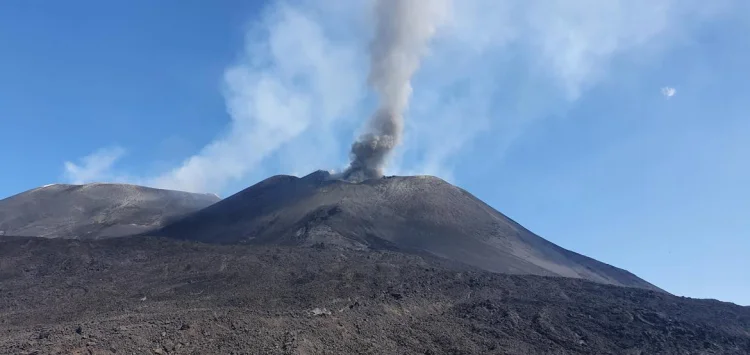
Situated in the eastern part of Sicily near Catania, Mount Etna stands as Europe’s highest and most active volcano, casting an imposing presence over the island’s landscape at an elevation of about 3,329 meters (10,922 feet) above sea level.
Its volcanic activity dates back to 1500 B.C., making it one of the world’s oldest recorded active volcanoes.
Historically, Greek mythology regards Mount Etna as the forge of Hephaestus, the Greek god of fire and blacksmiths. The ancient poet Pindar called Etna the Pillar of the Sky, a testament to its grandeur and awe-inspiring nature.
The 1669 eruption, one of the most catastrophic, led to massive lava flows that reached the city of Catania, significantly altering its geography and leading to the construction of new fortified walls. In recent history, the 1991 to 1993 eruption saw a concerted effort to divert lava flow by constructing barriers, an endeavor highlighting technological advancements in volcanic risk mitigation.
Etna’s stunning and volatile landscape, recognized by UNESCO as a World Heritage Site in 2013, remains a beacon for volcanologists and tourists alike, offering unique insights into the dynamic processes of the Earth’s geology while being steeped in rich cultural and historic heritage.
The majestic volcano has been featured in several films, including the Star Wars prequel "Attack of the Clones" (2002), where its unique landscape was used to depict the planet Mustafar.
37.75543, 14.97116